The method behind The Behavioral Startup

The ANVERSO models: behavioral design, step by step

ANVERSO is a progressive behavioral design framework created by . It gives non-technical founders and domain experts a step-by-step way to design products around how people actually behave: from understanding your users to defining your MVP. It is taught in full, with templates and exercises, in The Behavioral Startup.

The golden rule

Rule Zero
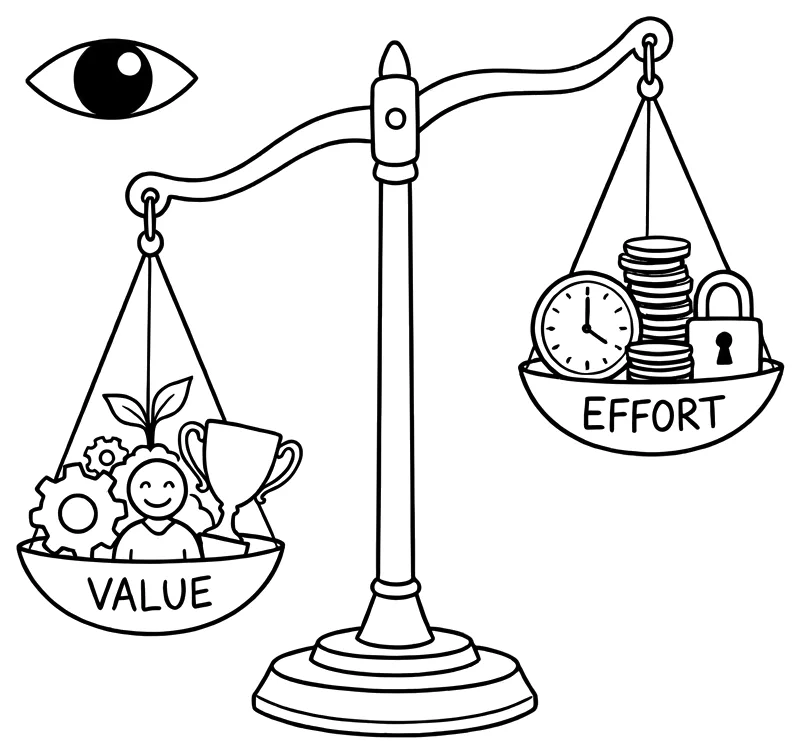
A scale where value outweighs effort

Value > Effort

Users must always get more value from a product than the effort it takes to use it.

It is the equation that decides adoption. Every ANVERSO model exists to tip that balance in the user's favor: by making value more evident, delivering it sooner, and removing the barriers that inflate effort.

Most products don't fail because the idea was wrong. They fail because the perceived effort of using them outweighed the perceived value, often before the user ever reached the moment where the product pays off. ANVERSO is a systematic way to find and fix that imbalance before you build.
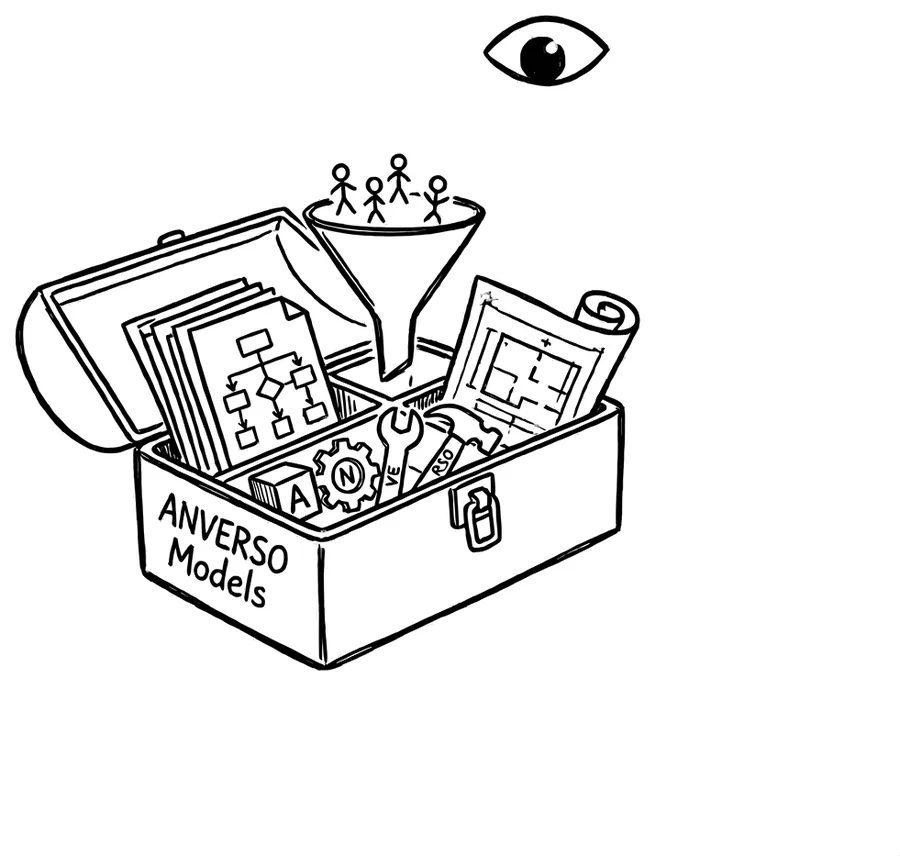
The method

The models, one by one

Each model uses what the previous one found. That's why the order matters: first who, then what they need, then how they notice the value and, finally, which behaviors lead there.

A
Model 1

Actors

Identifies who your product asks for effort and how they interact with it. Every product has three roles, and they are not always the same person:

  • Uses: who interacts with the product directly?
  • Pays: who provides the economic support?
  • Decides usage: who controls whether it gets used?

The most common blind spot is building value for the user while forgetting the payer or the decision maker. Each of them needs to see a different value.

N
Model 2

Needs

Organizes the needs your product can fulfill for each actor, using ERG theory (Clayton Alderfer, late 1960s), a model from motivational psychology:

  • Existence: survival, stability, saving time, money or effort
  • Relationship: social connection, belonging and status
  • Growth: self-improvement, learning and impact

Products don't solve feature gaps: they solve human needs. The strongest products address more than one layer of need for each actor.

VE
Model 3

Value Evident

Identifies how people recognize that value has been delivered. The principle: if users can't see, hear or feel the value, it doesn't exist for them.

  • Design target behaviors that make value explicit
  • Mind the timing of value recognition: perceived value drops with delay (time discounting)
  • Create immediate value signals even when the real payoff is long term
RSO
Model 4

Behavioral funnels

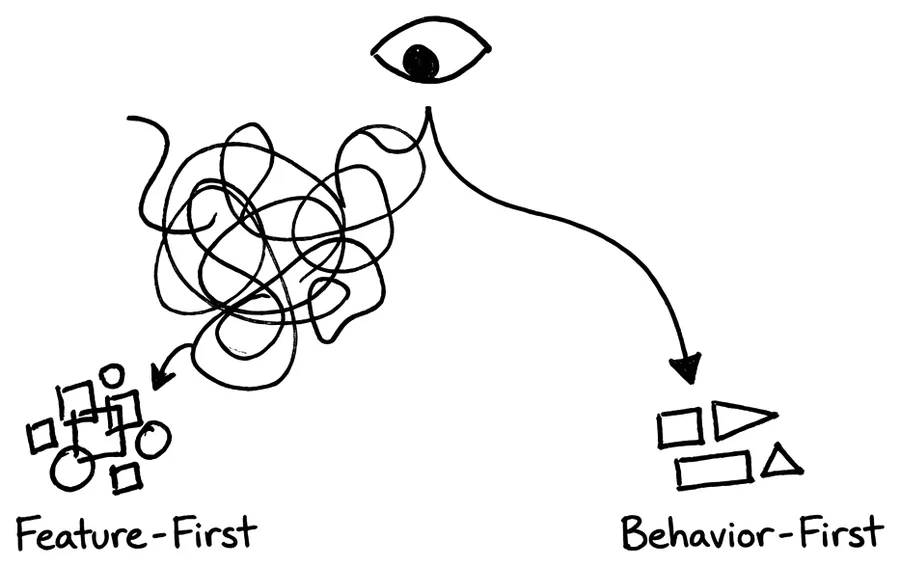
Maps the journey from first contact to the objective behaviors. Your product isn't a set of screens: it's a sequence of behaviors.

  • Chart the required behaviors that lead to the objective behaviors
  • Find the barriers that stop progress: missing triggers, insufficient ability or weak motivation, building on the Fogg Behavior Model (BJ Fogg)
  • Design features aimed at each specific barrier, instead of adding features and hoping

How teams apply it

The Behavioral Design Sprint

The ANVERSO models come together in the Behavioral Design Sprint: a collaborative process that brings experts and stakeholders together to work through the models on one product. It rests on three components:

  • People: a diverse team of experts, with a clear decision maker leading the process
  • Models: the ANVERSO framework, used to analyze actors, needs and behavioral barriers systematically
  • Rituals: structured sessions that build cohesion and keep the team focused

A full sprint takes 2 to 4 weeks for the initial analysis and design. Its output is a behavioral MVP definition: what to build, for whom, and which behaviors it must produce.

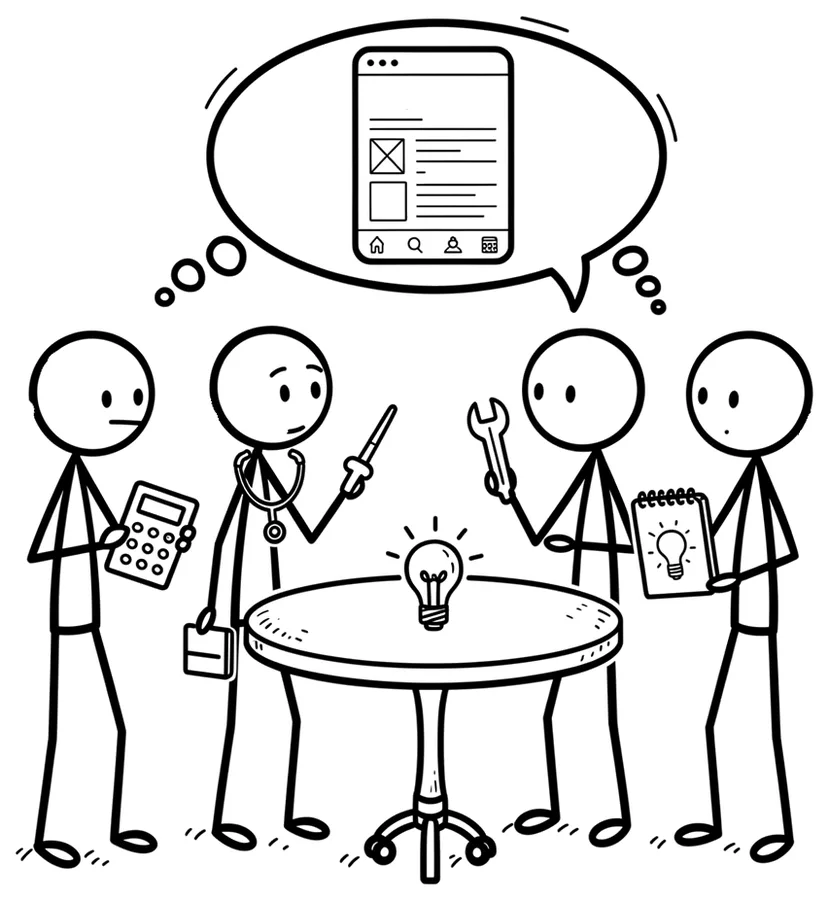
A diverse team working around a table

Compared

How ANVERSO relates to other frameworks

Feature-first versus behavior-first

Hooked (Nir Eyal) teaches you to build habit loops. ANVERSO covers the whole product design journey (actors, needs, value evident and behavioral funnels), and habit formation is one part of it.

Sprint (Jake Knapp) gives you a 5-day process to prototype and test fast. ANVERSO tells you what to prototype by understanding behavior first.

Lean Startup (Eric Ries) validates demand through build, measure, learn. ANVERSO adds the behavioral layer: which behaviors to design for, and why people will actually adopt.

Academic frameworks (COM-B, EAST) are rigorous but hard to apply without a research team. ANVERSO packages the same behavioral science into models a founder can use directly.

Who created ANVERSO

Nacho Parietti

Ignacio "Nacho" Parietti is a behavioral designer and programmer based in Montevideo, Uruguay. He has worked with dozens of companies and organizations designing products and programs.

He created the ANVERSO models after meeting, again and again, brilliant experts with deep knowledge and no method to turn it into products people use. He writes about behavioral design on Medium and at Behavioral Design Models.

Cover of The Behavioral Startup

Learn the full method

The Behavioral Startup walks you through each ANVERSO model with templates, real examples and exercises you can apply to your own project the same week you read it. 5.0 stars on Amazon.

Get the Kindle, US$ 4.99

Also in paperback and other stores. ¿En español? La Behavioral Startup ya está en Amazon.